
Dungeoncoin $DUNG

DUNGEONCOIN ($DUNG)

Funded by players.Won by skill.Created Once.

Dungeoncoin ($DUNG) is a fixed-supply currency for games where prize pools are funded entirely by the players who compete for them.

FIXED SUPPLY NO MINT FUNCTION STRUCK ONCE PLAYER-FUNDED PRIZES

The games

DUNG dictates neither pricing nor payouts. Each game designs its own economy. Three titles define the opening lineup.

01

Gilded Dungeon

LIVE
Play Gilded Dungeon

On-chain roguelike · weekly tournamentsPlayers pay the published DUNG entrance fee into a public escrow contract. When a season ends, the escrow pays out automatically and scores are recorded on-chain. No hidden take, no manual payout.
02

Dungeon Breaker

LIVE
Play Dungeon Breaker

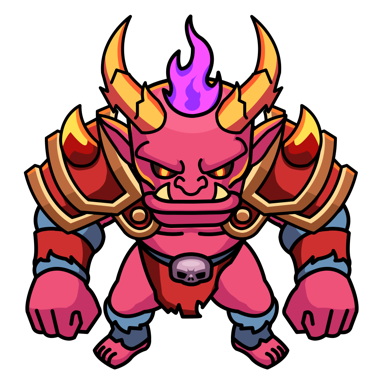
Block-breaking raids · built with ZestbeatA different economy: tickets, season passes, and player-owned dungeons that other players raid. Where Gilded Dungeon shows tournaments, Dungeon Breaker shows session fees and asset ownership.

03

GRID: Horde Horde Human

TEASER

Tournament game · details announced separatelyA tournament game where your AI plays for you.

How the money flows

Every fee enters a public escrow contract. When a season ends, the escrow pays out automatically: most of the pool to the top players, a slice seeds the next season's prize pool, and the published developer and platform shares fund the studio and platform. The exact split is published per season and verifiable on-chain by anyone.

PUBLIC ESCROW on-chain prize pool PLAYERS entry fees WINNERS take most of the pool NEXT SEASON rolls into the next pool DEVELOPER published share PUBLIC ESCROW on-chain prize pool PLAYERS entry fees WINNERS take most of the pool DEVELOPER published share NEXT SEASON rolls into the next pool

What is guaranteed

Three claims, each verifiable on-chain, each argued in full in the paper. Nothing here is a promise someone has to keep.

01 · SUPPLY

Fixed supply. No mint function.

verify: no mint function in the deployed bytecode

Read the argument, §02
03 · THE TAKE

Published splits.

player payments == published prizes + rollover + developer/platform shares

Read the argument, §05

CHAIN Creditcoin (EVM Layer-1)STANDARD ERC-20CONTRACT published at launch

LAUNCHPAD SALE · NOT YET ANNOUNCED

DUNG launches through a public launchpad sale, followed by a liquidity pool on PenguinSwap. Sale mechanics, dates, and amounts will be announced before the sale opens. Buy to play.

Questions

Straight answers to what reviewers and players ask first. Each one is argued in full in the paper.

Q1Is DUNG an investment?

DUNG is designed and offered as a currency for playing games, not as an investment product. It offers no staking, yield, governance, ownership, or claim on Dungeon Labs. Its market price can fall to zero. Nobody should acquire DUNG expecting profit from the efforts of others. Acquire it to play, or don't.

Q2Why 100,000,000?

A fixed cap is the simplest, most verifiable statement of supply: what exists at deployment is all there will ever be. One hundred million supports practical whole-number pricing for ordinary game actions while keeping the cap simple and readable.

Q3Does circulating supply increase?

Yes. Not all of the original fixed supply enters circulation at launch. Circulating supply can increase as locked allocations are released under the binding launch addendum. That is distribution of existing DUNG, not creation of new DUNG. Total supply remains 100,000,000 and cannot increase.

Q4Why not just use a stablecoin, or ETH?

Many fiat-backed stablecoins include issuer-controlled freeze or blacklist functions. The DUNG contract does not. ETH is a general-purpose asset whose demand and liquidity are unrelated to these games. DUNG gives multiple games one portable balance, one shared liquidity layer, and one common standard for entry fees and prizes. Players can use DUNG across titles, and new studios can integrate it without launching a token of their own. Games may update their published DUNG prices between defined pricing periods so ordinary play remains consistently priced.

Q5How do game operators earn revenue?

Each game publishes how player payments are divided among prizes, rollover, developer, and platform, as applicable. The operator does not compete against players or take a hidden spread. It receives only the disclosed shares assigned to it, and the contracts make those splits verifiable.

Q6Is this gambling?

The games are skill-based tournaments: outcomes turn on play, standings are public, and entry terms are published in advance. Each game additionally publishes its own Terms of Service covering eligibility, fair-play enforcement, and jurisdiction restrictions, and players are responsible for the rules that apply where they live.

Q7Can other people build staking or lending with DUNG?

Yes. DUNG is a standard ERC-20 on a permissionless chain, so anyone can create lending markets, liquidity pools, or staking products that use it, and nobody can stop them. The commitments in this paper bind Dungeon Labs alone: it will not operate, fund, or promise any yield itself. Third-party products are their builders' own, and participants should judge them on their own merits.

Q8How does Dungeon Labs pay its bills?

Initial sale proceeds fund the launch and an operating runway. Dungeon Labs also earns the published shares of games it develops, operates, or publishes. If tokens from the original treasury allocation are later released, they can enter circulation only under the binding schedule in the launch addendum. Releases from the original allocation and conversions of DUNG earned as game revenue are reported separately. No new DUNG is created to fund operations. The long-term objective is for game revenue, rather than further treasury distribution, to fund the business.

Q9What happens to DUNG if Dungeon Labs disappears?

The token keeps working. After deployment the contract has no admin, no upgrade path, and no dependence on any operator. Independent games and contracts continue according to their own design. What stops is Dungeon Labs' own development pipeline, hosted services, and operations.

Two doors

Play a game that already runs, or read the whitepaper that explains why it can.

For exchange reviewers Token spec Questions Legal notice
Building on DUNG Open ecosystem, §04